Jalal Safari Bazargani

Extended reality · Human–computer interaction · AI

I'm an XR researcher at the Hyper Realistic XR Research Center in Seoul. I develop immersive technologies at the intersection of VR, AR, and AI, focusing on interaction techniques and impactful real-world applications.

Portrait of Jalal Safari Bazargani

Research

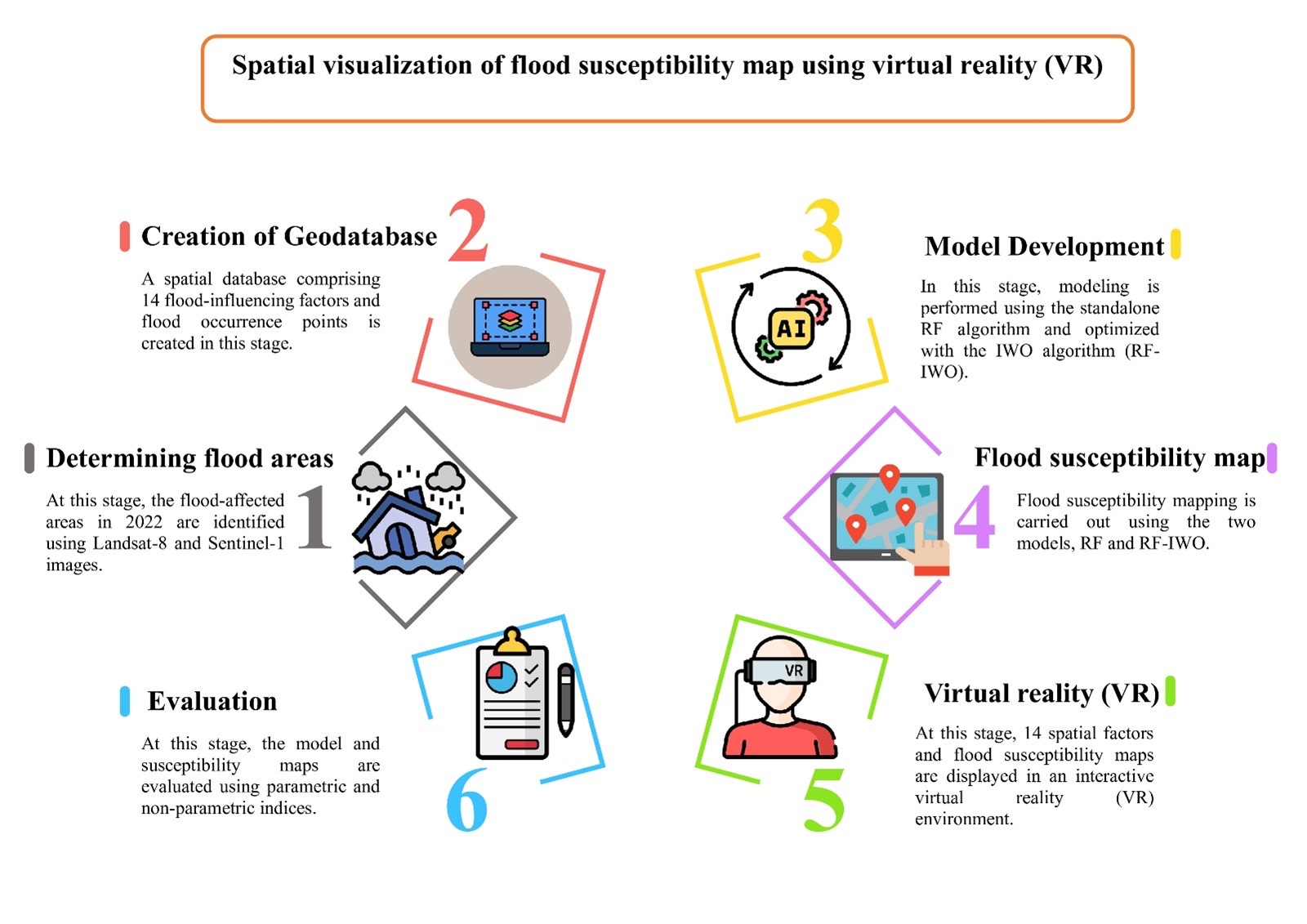
Currently, my research focuses on scene graph generation and 3D scene synthesis. I also have several papers under review in related areas, including attentional recovery, proactive virtual agents, and visual memory.

Publications

Selected papers are highlighted. Click a figure to enlarge it.

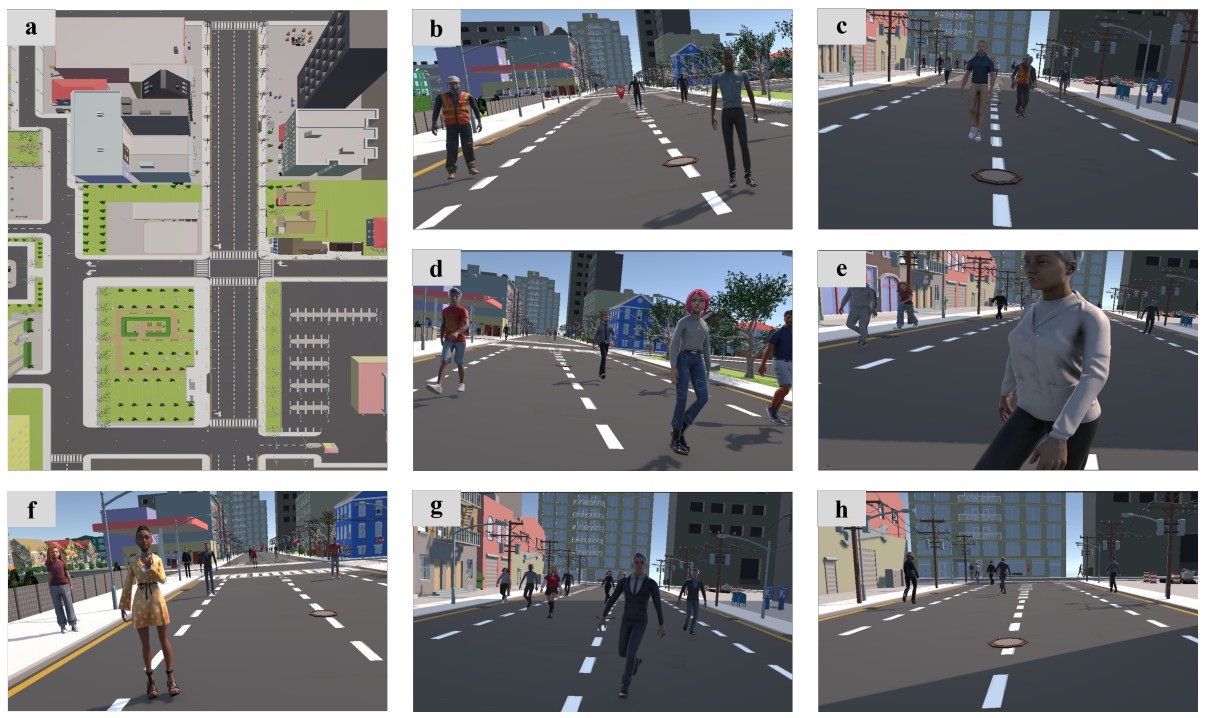
Figure from Who Feels the Crowd? Predicting Individual Cognitive Load Sensitivity to Virtual Crowds
Who Feels the Crowd? Predicting Individual Cognitive Load Sensitivity to Virtual Crowds

Fatema Rahimi, Jalal Safari Bazargani, Abolghasem Sadeghi-Niaraki, Soo-Mi Choi

ISMAR, conference track, 2026 Accepted

Virtual crowd simulations underpin applications from social VR to exposure therapy, yet their design rarely accounts for wide individual variation in crowd-induced cognitive demands. We investigated which virtual crowd characteristics impose the greatest cognitive load and whether distinct individual profiles predict differential vulnerability.
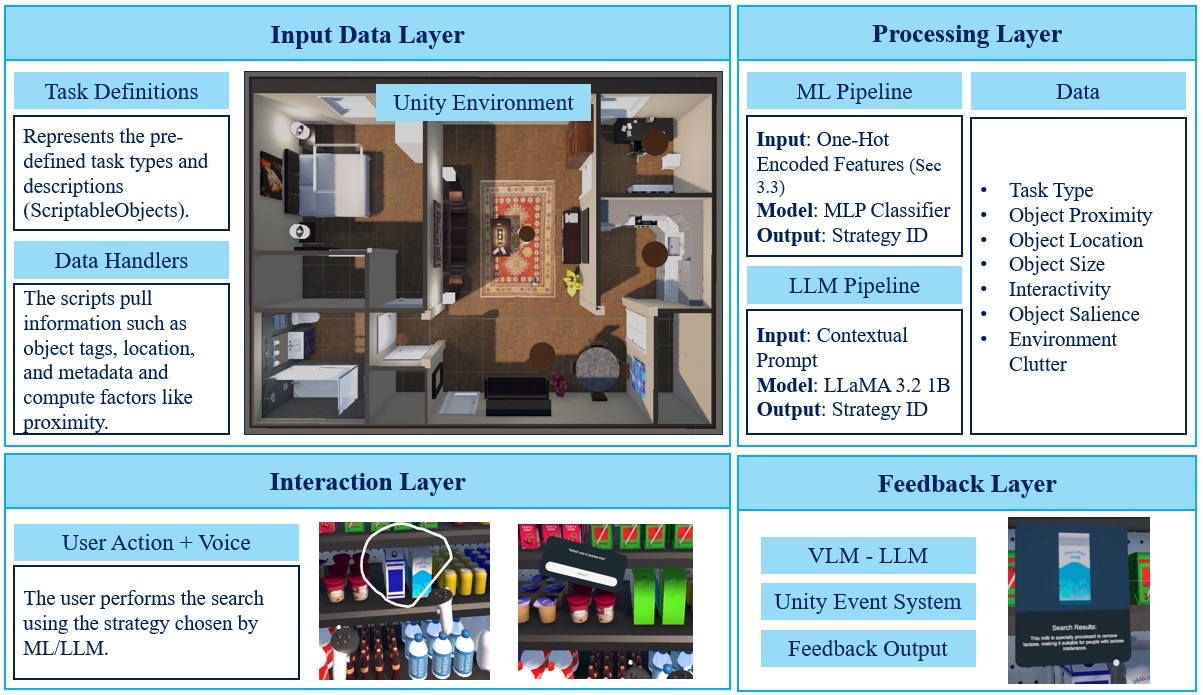
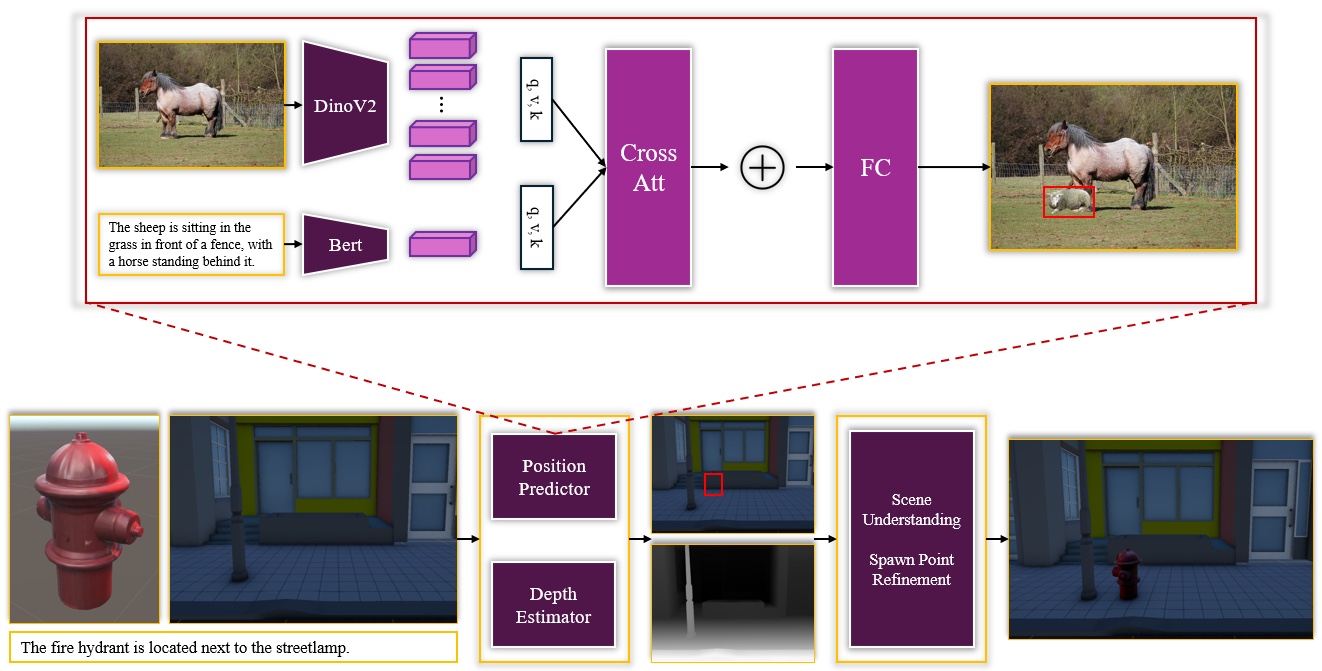
Figure from Which Strategy When? Designing an Adaptive Search System for Virtual Reality
Which Strategy When? Designing an Adaptive Search System for Virtual Reality

Jalal Safari Bazargani, Fatema Rahimi, Abolghasem Sadeghi-Niaraki, Soo-Mi Choi

IEEE TVCG, IEEE VR journal track, 2026

We first propose a taxonomy of five common VR search strategies and construct a factorial dataset linking task types, object properties, and environmental conditions to strategy choices. We then conduct a two-stage study. In Stage 1, we capture users’ natural strategy selections in a free search environment to create a ground-truth dataset. In Stage 2, we use this data to train and evaluate two adaptive systems, one driven by a machine learning (ML) model and another by a Large Language Model (LLM), against the free-search baseline.

Figure from Improving group navigation for VR-based entertainment applications
Improving group navigation for VR-based entertainment applications

Jalal Safari Bazargani, Jong-min Jeon, Abolghasem Sadeghi-Niaraki, Soo-Mi Choi

Entertainment Computing, 2026

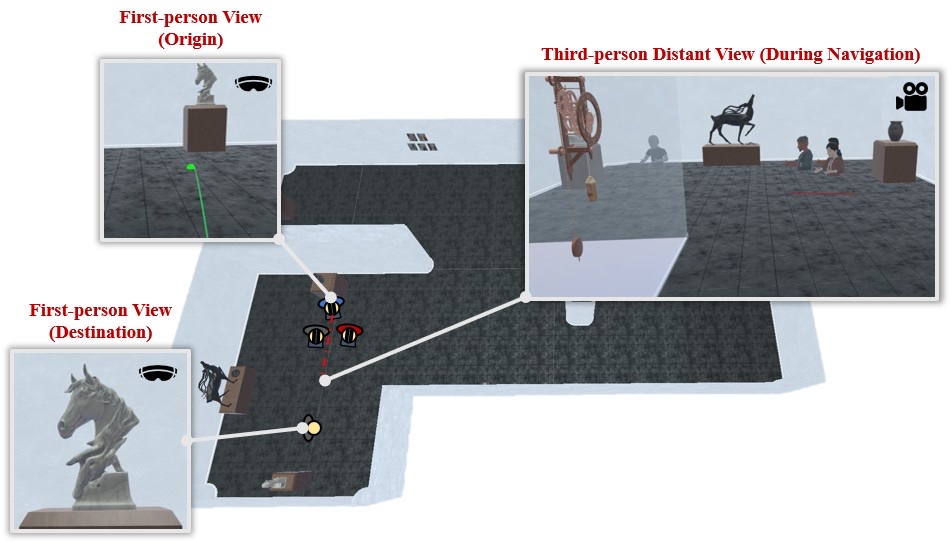
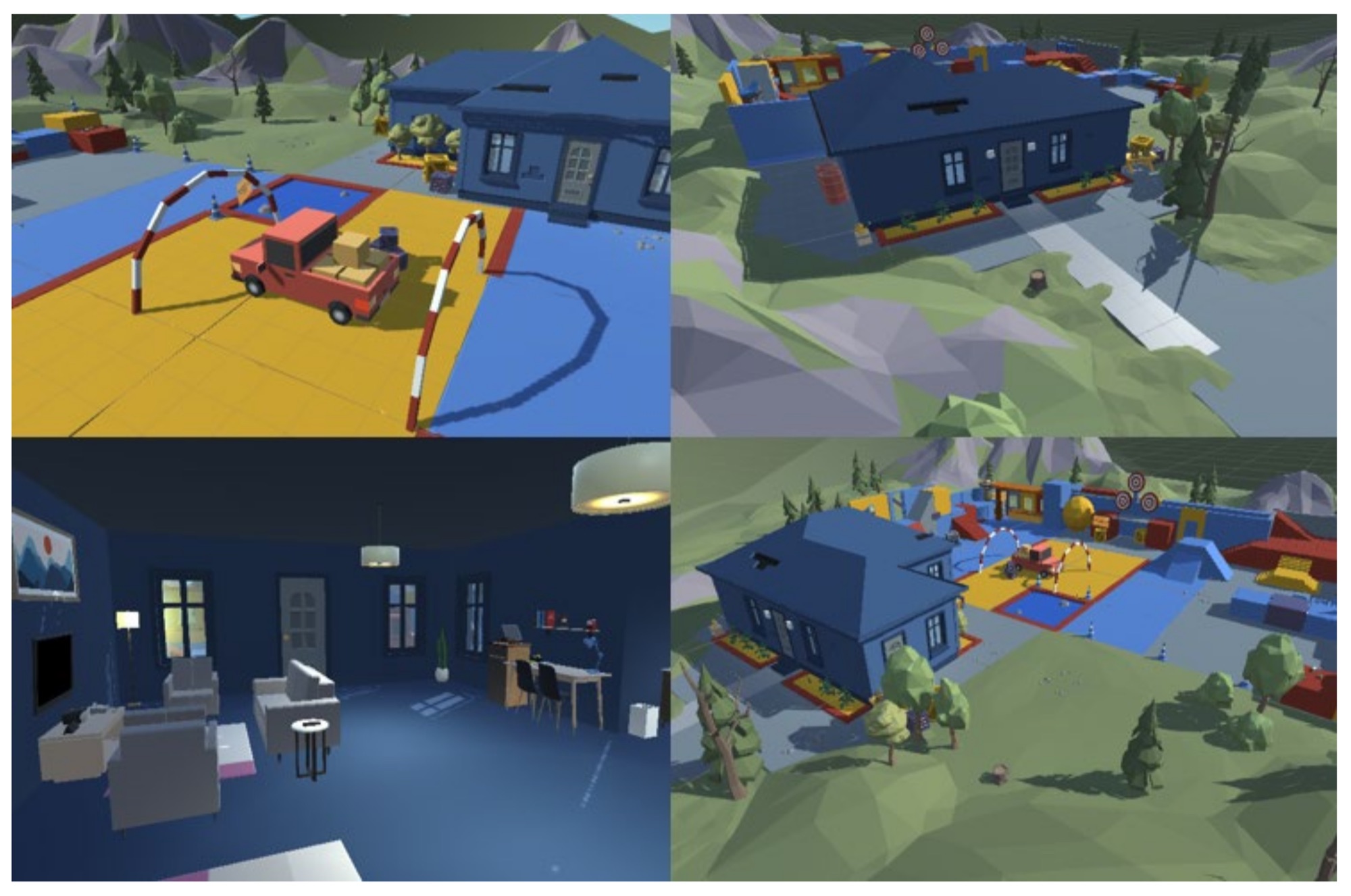
A new VR group navigation method that puts engagement and entertainment first, with customised avatars, animated paths and controlled transitions. It outperformed teleportation and steering in entertainment and comprehensibility.

Figure from Multi-modal Interaction with Virtual Agents
Multi-modal Interaction with Virtual Agents

Jalal Safari Bazargani, Soo-Mi Choi

IEEE VR, 2025

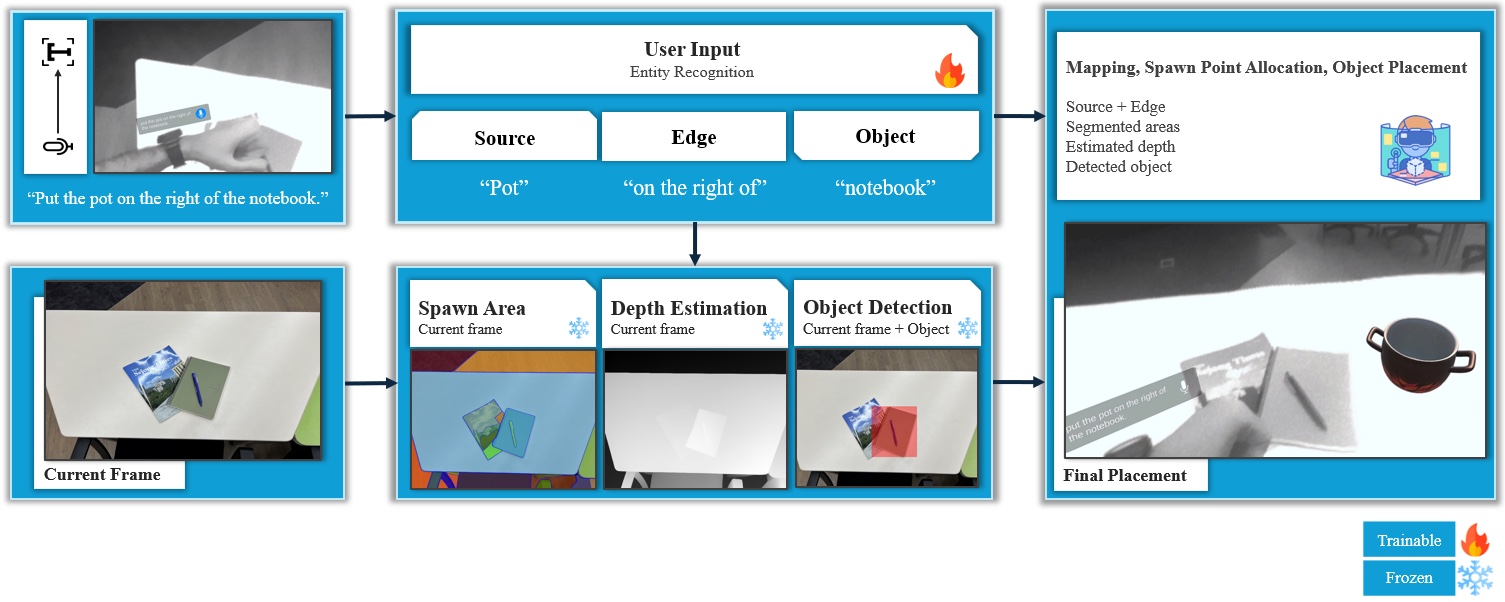
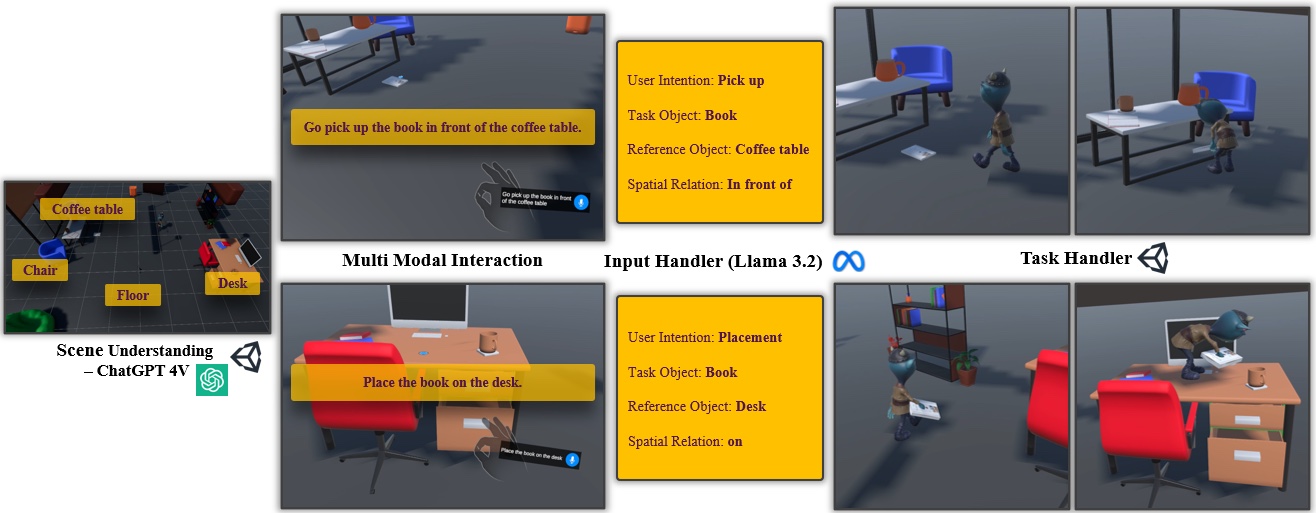
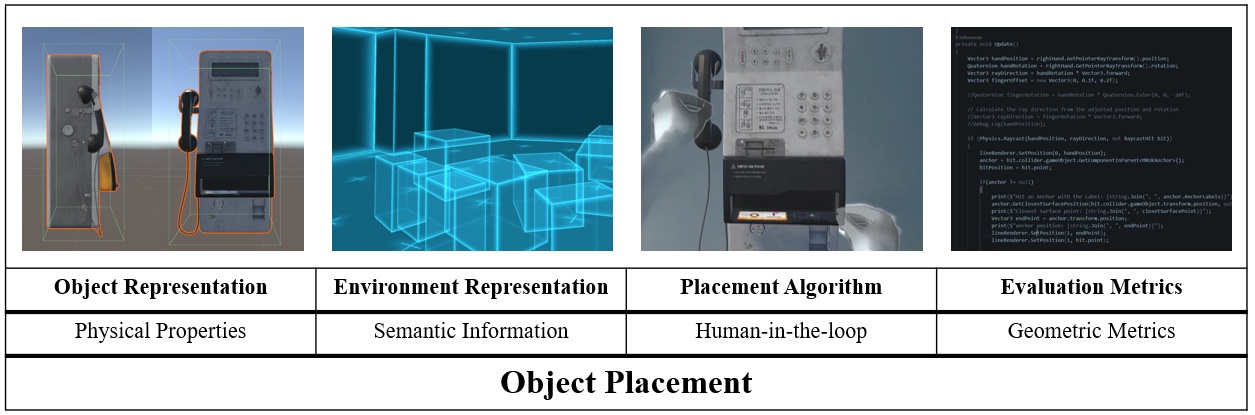
A multi-modal human-agent interaction framework that integrates hand tracking, voice commands, user intention interpretation and scene understanding, using large language and vision models for object pick-up and placement tasks in VR.

Figure from A Survey and Framework for Education in the Metaverse
A Survey and Framework for Education in the Metaverse

Jalal Safari Bazargani, Abolghasem Sadeghi-Niaraki, Soo-Mi Choi

IEEE Access, 2025

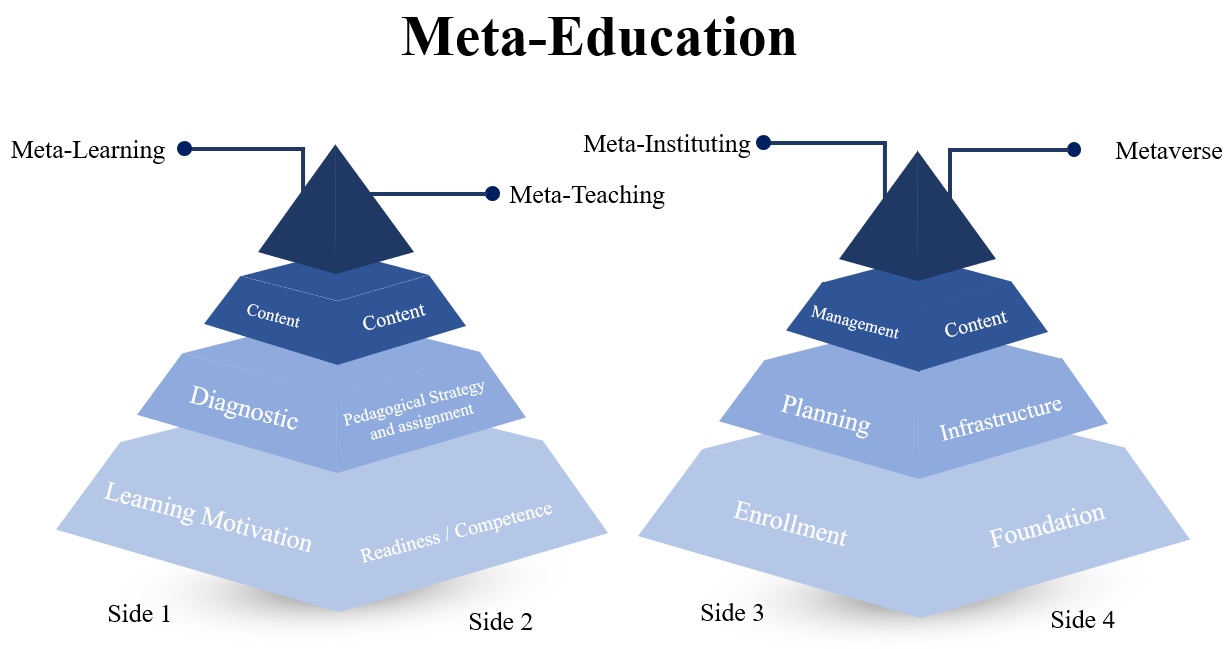
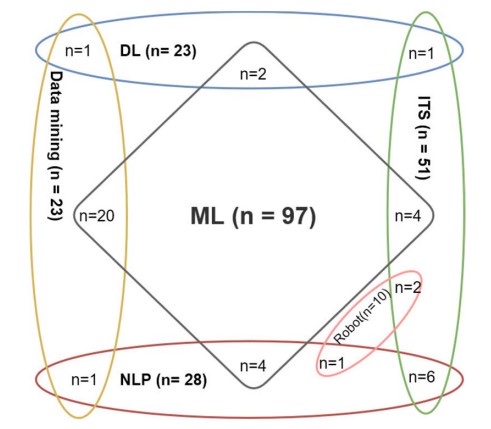
This paper proposes a meta-education framework that addresses the interconnected roles of learners, instructors and institutions in metaverse-driven education systems.

Figure from Alzheimer's Disease Diagnosis in the Metaverse
Alzheimer's Disease Diagnosis in the Metaverse

Jalal Safari Bazargani, Nasir Rahim, Abolghasem Sadeghi-Niaraki, Tamer Abuhmed, Houbing Song, Soo-Mi Choi

Computer Methods and Programs in Biomedicine, 2024

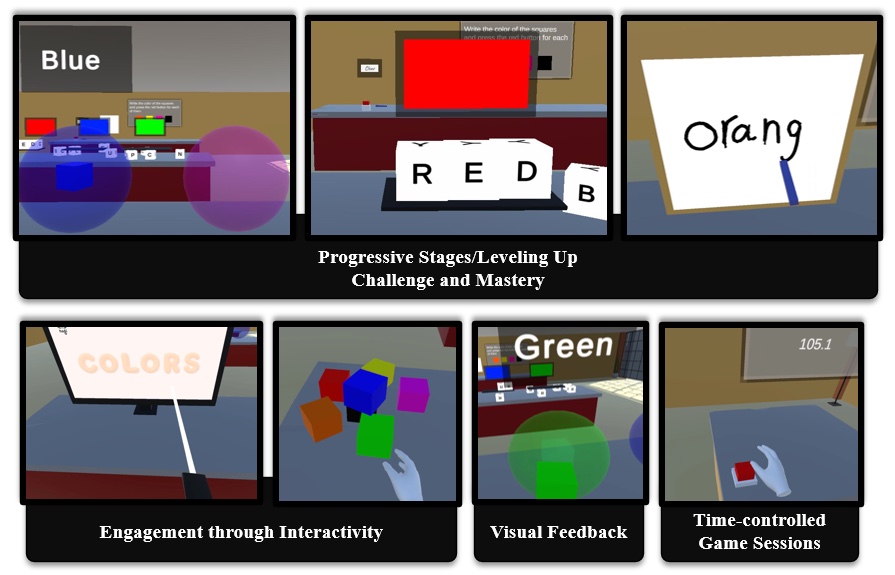
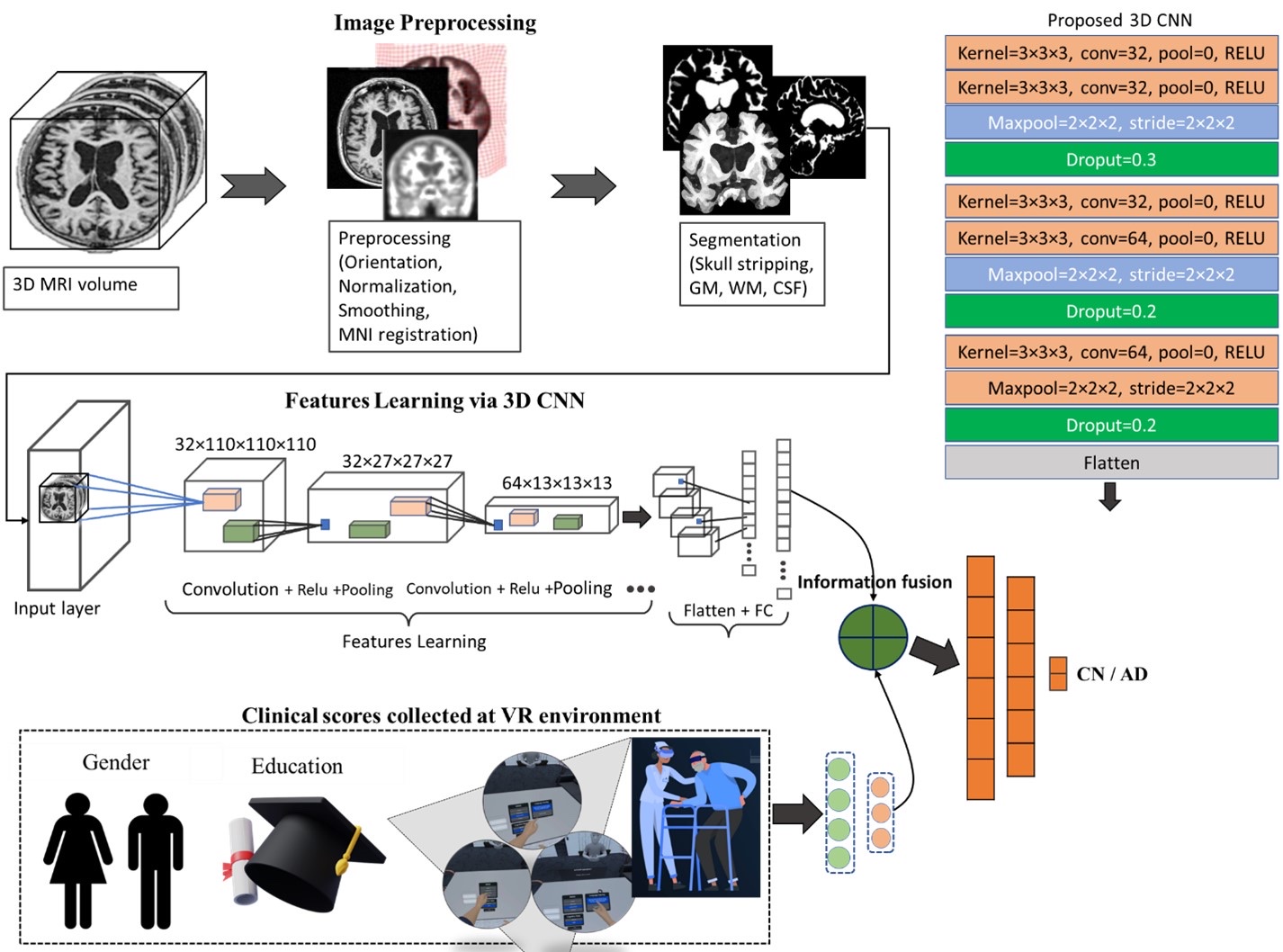
A VR environment designed for older adults in which three cognitive assessments are implemented: ADAS-Cog, the Montreal Cognitive Assessment (MoCA) and the Mini Mental State Exam (MMSE). A 3DCNN-ML model, trained on those tests and on multi-modal MRI from the ADNI2 dataset, is built into the application to predict whether a patient has Alzheimer’s disease.

Figure from Time-series Hourly Sea Surface Temperature Prediction using Deep Neural Network Models
Time-series Hourly Sea Surface Temperature Prediction using Deep Neural Network Models

Farbod Farhangi, Abolghasem Sadeghi-Niaraki, Jalal Safari Bazargani, Seyyed Vahid Razavi-Termeh, Dildar Hussain, Soo-Mi Choi

Journal of Marine Science and Engineering, 2023

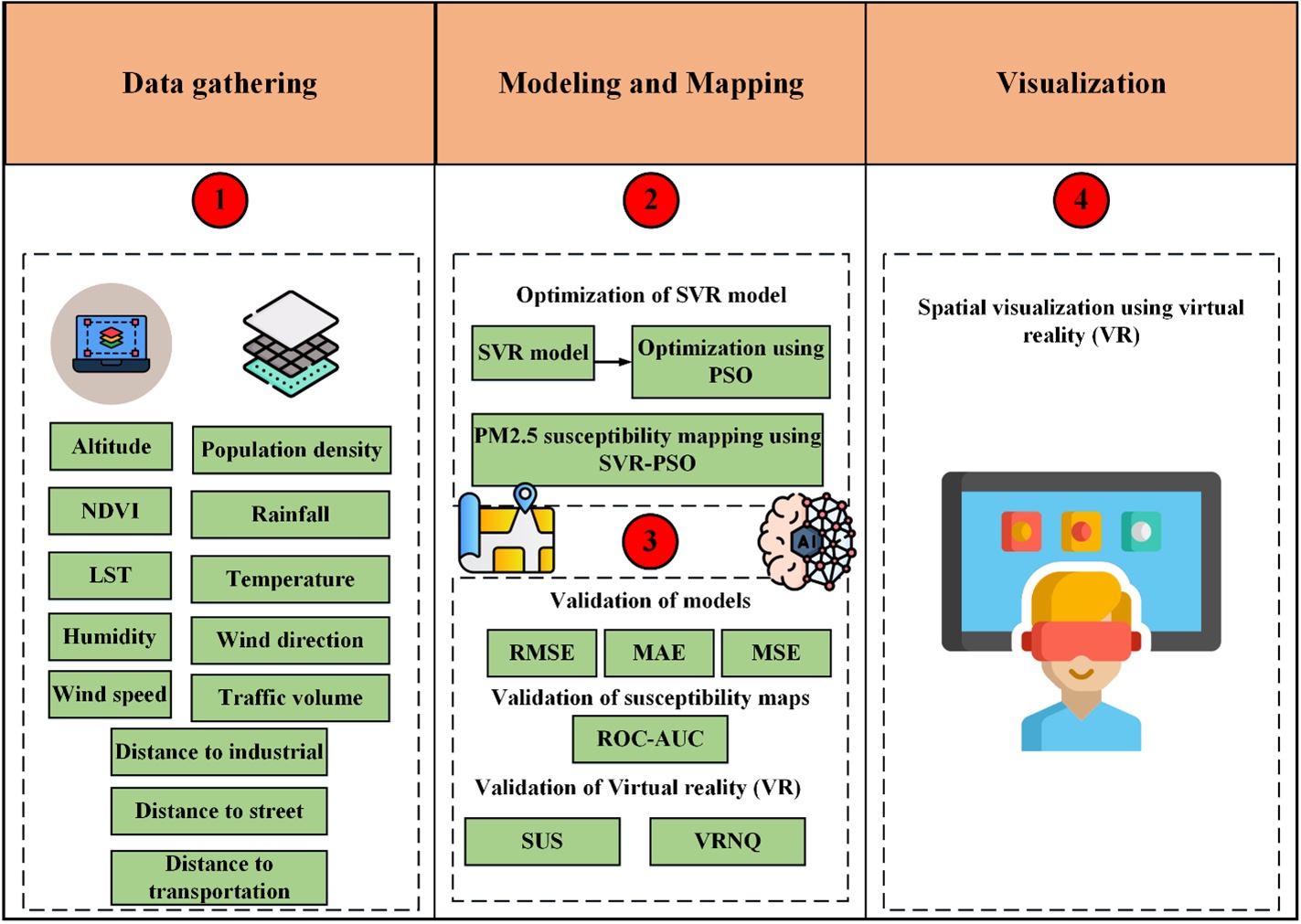
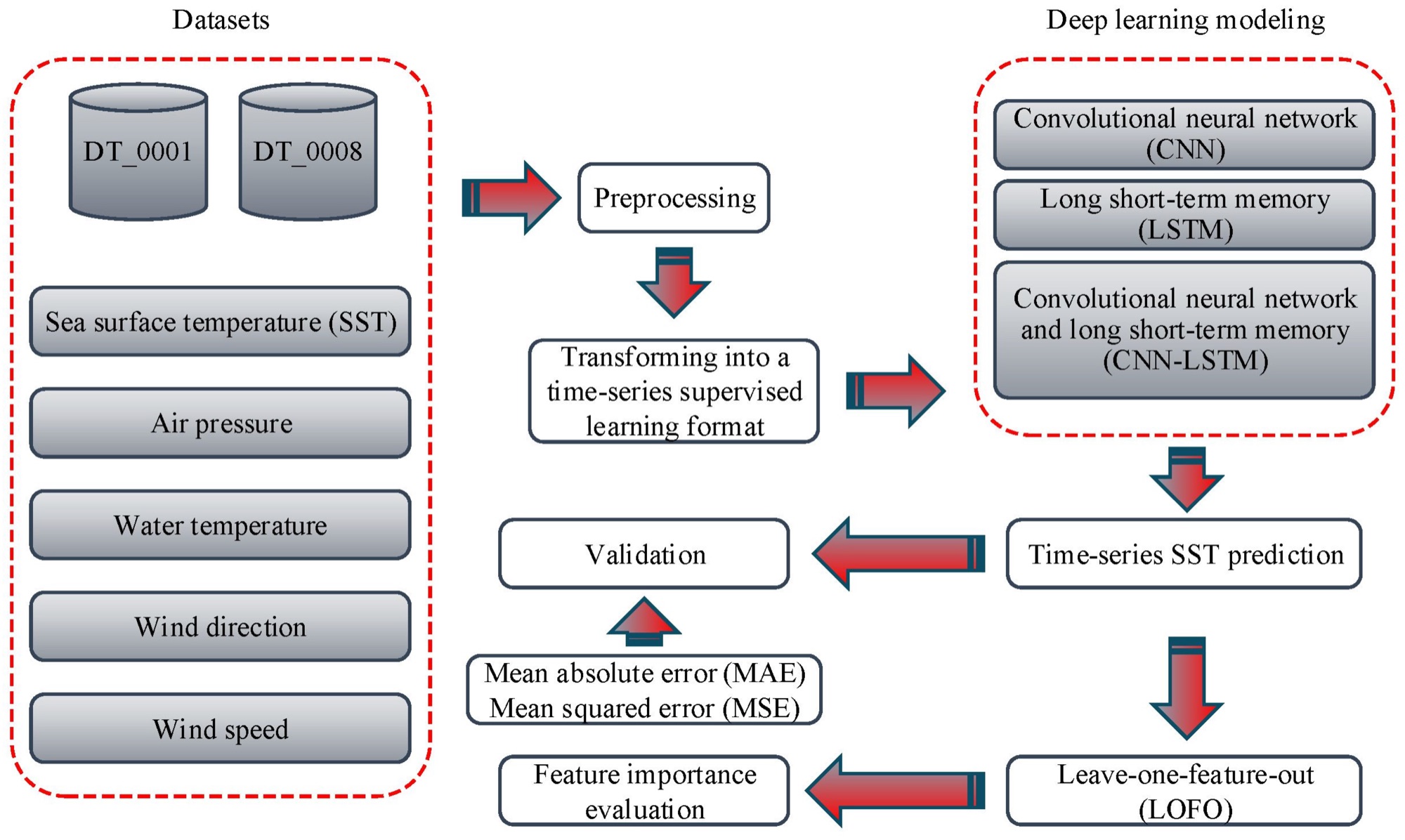
Air pressure, water temperature, wind direction and wind speed are used for hourly sea surface temperature prediction with CNN, LSTM and CNN–LSTM deep neural networks.

Figure from Avatar Emotion Recognition using Non-verbal Communication
Avatar Emotion Recognition using Non-verbal Communication

Jalal Safari Bazargani, Abolghasem Sadeghi-Niaraki, Soo-Mi Choi

Pacific Graphics, 2023

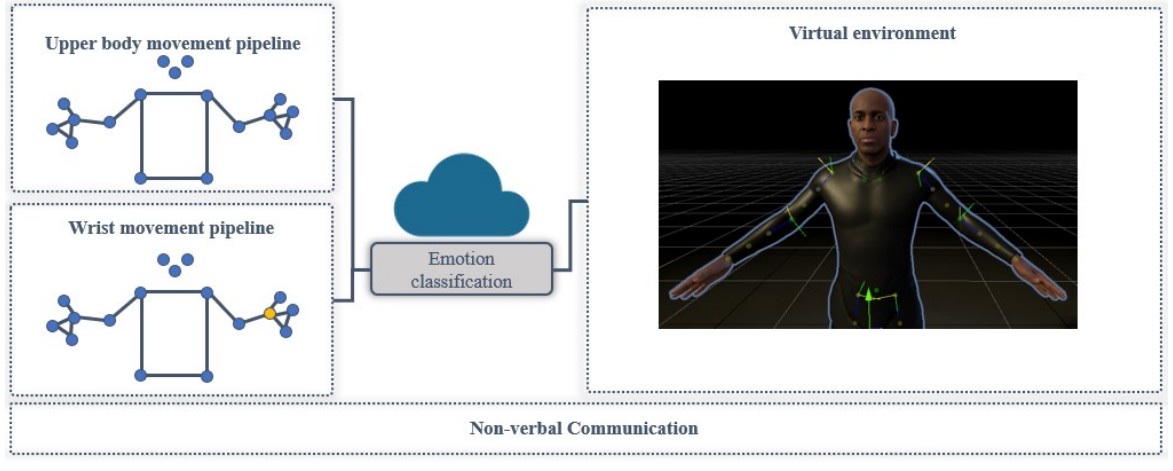
An automated emotion recognition approach suitable for use in virtual environments.

Figure from A Survey of GIS and AR Integration: Applications
A Survey of GIS and AR Integration: Applications

Jalal Safari Bazargani, Mostafa Zafari, Abolghasem Sadeghi-Niaraki, Soo-Mi Choi

Sustainability, 2022

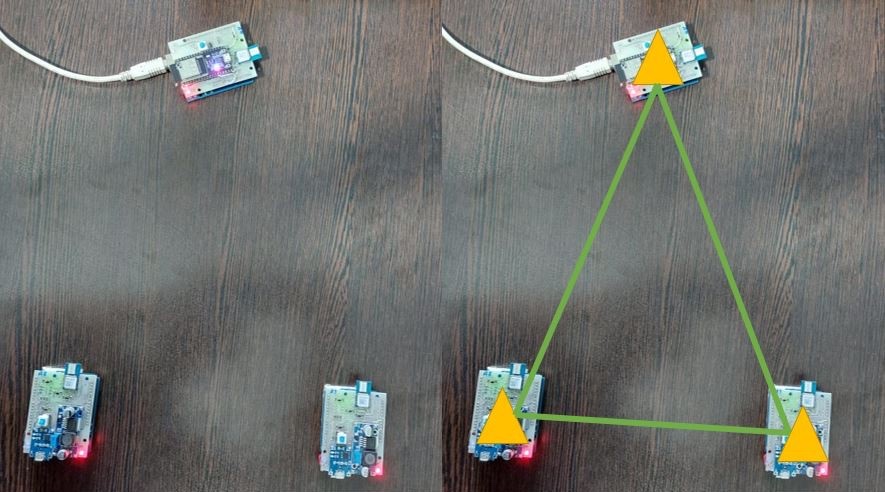
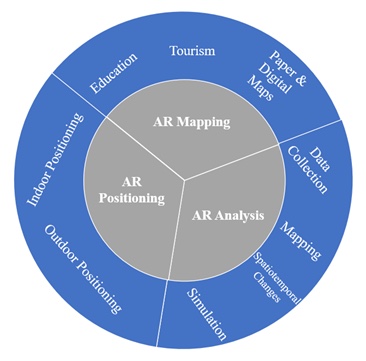
How AR and GIS combine, and how integrating them addresses challenges that systems built on only one of the technologies face.

Miscellanea

Patents

  • 메타버스 기반 교육 방법 및 장치, 2025Metaverse-based education method and apparatus
  • 로보틱스, 이미지 합성, 확장현실 전반의 혼합현실 기반 객체 배치 방법 및 장치, 2025Mixed-reality object placement across robotics, image composition and XR
  • IoT-based approach method for learning geometric shapes in early childhood, 2025
  • 심층 신경망 모델을 이용한 시계열 시간별 해수면 온도 예측 방법 및 시스템, 2024Hourly sea surface temperature prediction with deep neural networks
  • 메타버스에서의 알츠하이머병 진단을 위한 방법 및 장치, 2024Alzheimer’s disease diagnosis in the metaverse
  • 취학전 기하학적 형상 학습을 위한 IoT 기반 접근 방법 및 그 장치, 2023IoT-based geometric shape learning for preschool children

Awards

  • Outstanding Research Award, Sejong University, 2026
  • BK21 Fellowship, 2022–2026

Academic service

  • Poster committee, ISMAR, 2026
  • Poster committee, IEEE VR, 2026
  • Teaching assistant: AR, VR, AI and big data, web programming, Sejong University, 2021–24
  • Reviewer for IEEE TVCG, IEEE VR, VRST, ICXR, Computer Methods and Programs in Biomedicine, Journal of Computer Assisted Learning, IEEE Access, XR Metaverse